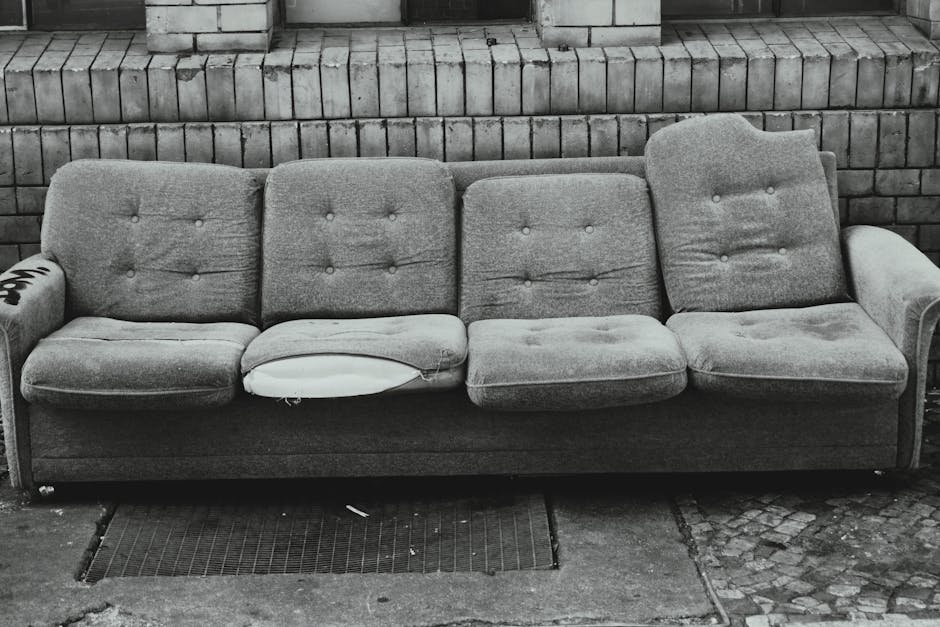
Sofa cleaning advice for Brixton SW9 flats
If you live in a Brixton SW9 flat, you already know the sofa works harder than it should. It's where you drink tea after a long day, where guests end up balancing their bags, where the dog sneaks up for a nap, and where crumbs somehow appear from nowhere. Sofa cleaning advice for Brixton SW9 flats is not just about making upholstery look nice again; it's about keeping a compact home fresher, more comfortable, and easier to live in.
In flats, the usual challenges are a bit different. Space is tight, drying time matters, and you often need to think about access, shared hallways, noise, and whether you can actually manoeuvre the sofa without scraping a wall. This guide walks through practical cleaning advice, the safest methods for different fabrics, common mistakes to avoid, and when a professional approach makes more sense. If you want to understand the wider service side too, it can help to look at sofa cleaning and the broader approach to upholstery cleaning.
Expert summary: In Brixton SW9 flats, good sofa care is really about balance: remove dirt before it settles, avoid soaking the fabric, and dry things properly so you do not end up with odours, tide marks, or mouldy surprises a day later. Sounds obvious, but it's the bit people skip.
Contents
- Why sofa cleaning matters in Brixton SW9 flats
- How sofa cleaning works in a flat
- Key benefits and practical advantages
- Who this advice is for
- Step-by-step guidance
- Expert tips for better results
- Common mistakes to avoid
- Tools, resources and recommendations
- Law, compliance, standards and best practice
- Options, methods and comparison table
- Case study or real-world example
- Practical checklist
- Conclusion
- Frequently asked questions
Why Sofa cleaning advice for Brixton SW9 flats Matters
Sofas in flats collect more than people realise. Fine dust, cooking residue, pet hair, pollen, skin oils, and everyday spillages build up quietly. In a compact Brixton flat, that build-up can spread faster because the same living room often doubles as dining room, workspace, and relaxation zone. One evening of takeaway on the sofa, and the upholstery starts carrying a smell you only notice the next morning. Not ideal.
There is also the fabric issue. Many modern sofas use blends, stain-resistant coatings, or delicate natural fibres that react differently to water and detergents. A quick wipe can help with a surface mark, but a heavy-handed clean can leave rings, flatten the pile, or push dirt deeper into the filling. If you live upstairs, you may also need to think about lifting cushions, moving the sofa safely, and getting ventilation right in a home where windows may be small or overlook a busy street.
For tenants, keeping the sofa in good condition can also help when end-of-tenancy checks come around. For homeowners, it simply means the room feels brighter and less tired. There is something satisfying about sitting down on a sofa that smells clean rather than vaguely of old Sunday roast. To be fair, that's a small win, but a very real one.
How Sofa cleaning advice for Brixton SW9 flats Works
The basic process is straightforward, though the details matter. First, identify the fabric type and any care label instructions. Then remove loose dust and debris. After that, treat stains carefully, clean the surface using the right method for the material, and dry the sofa thoroughly. In a flat, the drying stage is often the part that decides whether the job feels successful or a bit half-baked.
A dry cleaning style, low-moisture method, or controlled hot-water extraction may all be suitable depending on the upholstery. Hot-water extraction, often called steam cleaning in everyday language, uses water and cleaning solution to agitate soil and then remove it. It can be effective, but it is not automatically the right answer for every sofa. Some fabrics can shrink or mark if over-wet. Others respond better to spot treatment and gentle agitation.
This is why many people end up using a hybrid approach: vacuum thoroughly, pre-treat stains, use as little liquid as possible, and only go deeper if the fabric can handle it. If you want a more service-focused overview of the technical side, the page on stain removal is a useful companion read.
Key Benefits and Practical Advantages
Good sofa cleaning is not just about appearances. The benefits are practical and, in a flat, often quite noticeable.
- Better indoor freshness: upholstered furniture can hold odours from food, pets, smoke, and damp air.
- Longer fabric life: removing grit and oils reduces wear on fibres.
- Cleaner air feel: while sofa cleaning is not a substitute for ventilation, it can reduce that stale, lived-in feeling.
- Fewer visible marks: spots, water rings, and grime are easier to manage early.
- More presentable rooms: handy for visitors, landlords, viewings, or when you just want the flat to feel sorted.
There is also a small but meaningful psychological effect. A clean sofa tends to make the whole room feel more together. People often start with the sofa and suddenly notice the cushions, curtains, and rug too. One tidy job leads to another. Bit annoying, maybe, but also quite motivating.
For flats that are routinely busy, especially shared homes, regular upholstery maintenance can stop a minor spill from becoming a stubborn stain. And that is where the real value sits: prevention. You save time, reduce stress, and avoid the awkward scrape-and-scrub routine later on.
Who This Is For and When It Makes Sense
This advice is useful for a wide range of Brixton SW9 residents. If you rent a one-bedroom flat, share a house conversion, or live in a new-build apartment with compact rooms and limited airflow, the same core principles apply. It is especially relevant if you have pets, children, or a sofa used daily for meals, laptops, and the occasional late-night snack. No judgement. We've all been there.
It also makes sense if you are trying to decide between DIY cleaning and booking a professional service. A light refresh can often be handled at home. But deep-set stains, persistent odours, water-sensitive fabrics, and large sectional sofas usually need more careful treatment. If your upholstery is already looking flat or patchy, forcing a generic cleaner onto it can make things worse.
There are a few clear signs you should take sofa cleaning seriously rather than leaving it for "sometime next month":
- the sofa smells stale even after airing out
- pet hair keeps clinging to the fabric
- drinks have left rings or shadow marks
- arms and headrests look darker from daily use
- cushions feel sticky, greasy, or dull
- allergy symptoms seem worse when you sit on it
If you are comparing sofa care with other home cleaning work, it can also be useful to look at the overlap with carpet cleaning and curtain cleaning, because dust and odours tend to travel through the room together.
Step-by-Step Guidance
Here is a practical, flat-friendly routine that works for most upholstery jobs. Keep it calm and don't rush. The sofa has been collecting life for months; it can wait another half hour while you do it properly.
1. Check the care label
Look for cleaning codes or fabric notes. These tell you whether the sofa prefers water-based cleaning, solvent-based cleaning, or only specialist treatment. If there is no label, test carefully in a hidden spot. Under a cushion is usually the best place.
2. Remove loose debris
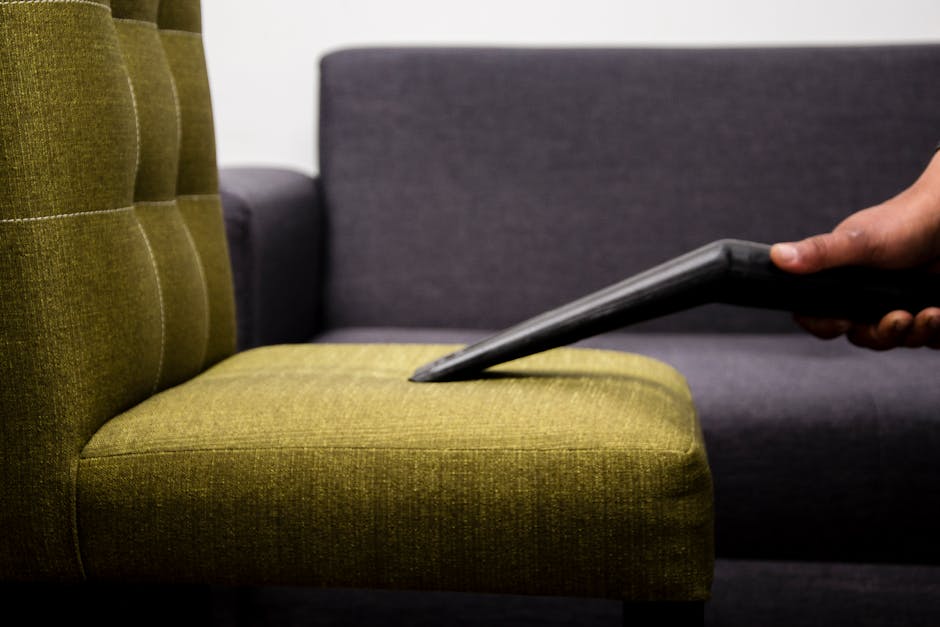
Vacuum slowly using an upholstery attachment. Pay attention to seams, piping, under cushions, and the gap between seat and back. Crumbs and dust love those little pockets. A soft brush can help lift pet hair before vacuuming.
3. Deal with stains early
Blot, do not rub. Rubbing can spread the mark and damage fibres. Work from the outside of the stain toward the centre. Use a suitable upholstery cleaner or a mild solution if the fabric allows it, and always apply sparingly. Over-wetting is one of the most common reasons a simple stain turns into a bigger problem.
4. Clean section by section
If you are using a spray or foam cleaner, work in small areas. That makes the finish more even and helps you control drying. Keep the room ventilated. Open a window if you can, even a little. In a Brixton flat with limited airflow, a fan can help move damp air away from the upholstery.
5. Rinse or extract carefully
Depending on the product, you may need to remove residue with a lightly damp cloth or a machine designed for upholstery. Detergent left behind can attract more dirt later, which feels very unfair when you've just cleaned the thing, but there it is.
6. Dry thoroughly
Drying is not a finishing touch; it is part of the clean. Use ventilation, gentle airflow, and time. Avoid sitting on the sofa until it is properly dry. If cushions are removable, stand them upright or rotate them so both sides can dry evenly.
7. Reset the room
Once dry, brush the nap lightly if the fabric allows it and put cushions back in place. A final vacuum the next day can pick up loosened particles that were hidden during the clean.
Expert Tips for Better Results
In practice, the best sofa cleaning results come from restraint, not force. The temptation is to scrub harder when a stain resists. Usually that just makes the fabric look more tired.
- Always test first: even "gentle" products can change colour or sheen on some fabrics.
- Use white cloths for blotting: coloured cloths can transfer dye, which is not a fun surprise.
- Work with light, repeated passes: several small treatments are safer than one aggressive soak.
- Ventilate the flat: drying matters more than most people think.
- Keep pets off freshly cleaned fabric: they will usually claim it before it is ready, naturally.
- Refresh cushions separately: the seat base and loose cushions often need different levels of attention.
One practical observation: headrests and armrests are often the dirtiest areas, even when the rest of the sofa looks okay. If you only have time for a partial refresh, focus on those spots first. It gives the room a cleaner look surprisingly quickly.
If the sofa is part of a bigger clean-out, you may also want to look at related furniture and soft furnishings. The same habits that help upholstery can support mattress cleaning and rug cleaning, especially in smaller flats where smells and dust move around freely.
Common Mistakes to Avoid
A lot of sofa damage comes from trying to do the right thing in the wrong way. Happens all the time.
- Using too much water: this can cause tide marks, slow drying, odours, and in some cases distortion of the filling.
- Scrubbing stains aggressively: it may look satisfying for about ten seconds, then the fabric fibres start to fuzz.
- Ignoring the label: a care code is not decoration; it is the sofa telling you how it likes to be treated.
- Mixing products: combining cleaners can leave residue or create unwanted reactions. Keep it simple.
- Cleaning only the visible stain: isolated treatment can create a patchy result, especially on older upholstery.
- Not allowing enough dry time: sitting on a damp sofa is a classic shortcut with a disappointing ending.
A slightly more subtle mistake is forgetting the room context. A sofa near a radiator, kitchen doorway, or open balcony door may dry unevenly. Likewise, if the flat is cold and poorly ventilated, what seems dry on top may still be damp underneath. That is where a lot of "why does it smell funny?" complaints begin.
Tools, Resources and Recommendations
You do not need a huge kit to do a decent job. A few good tools are better than a drawer full of random sprays bought in a hurry.
| Tool or product | Best for | Why it helps |
|---|---|---|
| Vacuum with upholstery attachment | Everyday maintenance | Removes dust, crumbs, and pet hair from seams and cushions |
| Soft brush | Loose debris and pile lifting | Helps loosen hair and surface dirt without rough treatment |
| White microfibre cloths | Blotting and spot treatment | Less risk of dye transfer and easier to see what you are lifting |
| Upholstery-safe cleaner | Fabric cleaning | Formulated for soft furnishings rather than hard surfaces |
| Fan or open-window airflow | Drying | Speeds moisture removal in compact flats |
| Protective gloves | General safety | Useful if you have sensitive skin or are handling stronger cleaners |
If you are not sure what product to use, it is usually safer to choose a mild upholstery cleaner rather than a multipurpose household cleaner. Bathroom sprays and kitchen degreasers are not designed for sofa fabric. They can leave residues, alter colour, or make the upholstery feel stiff.
For residents who want a professional service, it is sensible to check company information as carefully as the cleaning method itself. Pages such as about us, insurance and safety, and health and safety policy are useful markers of how a business works. If you are comparing quotes, the pricing and quotes page is worth a look too.
Law, Compliance, Standards, or Best Practice
For sofa cleaning in flats, the main compliance concerns are usually practical rather than legal. That said, there are sensible UK best-practice points to keep in mind. If you are renting, it is wise to avoid causing damage to the upholstery beyond ordinary wear and tear. If a landlord or managing agent is involved, keep photos before and after cleaning if you are dealing with a stain-prone item. It is simple, and it can save a headache later.
In communal buildings, think about access and noise. Moving equipment through shared hallways, drying with windows open, or running a machine late at night can be disruptive. Most decent providers will work with normal building etiquette and safety expectations. If you are booking a service, confirm that the company has suitable insurance and follows its own safety procedures. Those details sound dry, but they matter when someone is working inside your home.
If you value environmentally sensible methods, it is also reasonable to ask how wastewater, packaging, and cleaning products are handled. A page such as recycling and sustainability can help set expectations. And if you want the formal terms before booking, check the terms and conditions and privacy policy. Not glamorous reading, no, but useful.
Options, Methods, or Comparison Table
Different sofa-cleaning methods suit different flats and fabrics. Here is a simple comparison to help you choose the right route.
| Method | Best for | Pros | Watch-outs |
|---|---|---|---|
| Vacuuming and spot cleaning | Light maintenance | Fast, low risk, good for regular upkeep | Won't remove deep dirt or old odours |
| Foam or low-moisture cleaning | Delicate or lightly soiled upholstery | Less drying time, often safer for flats | May not shift heavy staining |
| Hot-water extraction | Sturdier fabrics with deeper soil | Can be very effective on embedded grime | Needs careful drying and correct fabric matching |
| Professional specialist treatment | Mixed fabrics, stains, odours, or valuable sofas | More tailored, reduced risk of mistakes | Usually costs more than DIY |
In a Brixton SW9 flat, low-moisture methods often make the most sense because they reduce drying issues. But if a sofa is heavily used, has pet odour, or has a stubborn stain from food or drink, a more intensive approach may be justified. The real question is not "which method is best?" but "which method is safe for this sofa, in this space, right now?"
Case Study or Real-World Example
Picture a typical Saturday in a Brixton flat. The sofa sits in a living room with not much spare space, the windows are only partly open because the street is lively, and someone has knocked over a drink on the cushion two days ago. By the time you notice, the mark has dried into a faint ring and the armrest has developed that slightly greasy look from regular use.
In that kind of situation, the best approach is rarely to flood the whole sofa. A sensible process would be: vacuum first, treat the ring lightly, test a cleaner on a hidden patch, use a cloth rather than a brush for the initial lift, and then allow strong airflow to do its work. If the room has a rug and curtains nearby, they may also be holding onto odour or dust, so the clean feels better when the whole soft-furnishing environment is treated together. It's a bit like brushing one shoe and leaving the other muddy.
The end result is usually not "brand new" in a dramatic sense. It is better than that. It feels lived-in but fresh, which is exactly what most flat owners and tenants want. Clean enough to enjoy, not so clinical that the room loses its warmth.
Practical Checklist
Use this before and after sofa cleaning in your Brixton SW9 flat.
- Check the care label and fabric type.
- Vacuum cushions, seams, and under the sofa.
- Test any cleaner in a hidden area first.
- Blot stains gently rather than scrubbing.
- Use the smallest effective amount of moisture.
- Open windows or use a fan for airflow.
- Keep the sofa clear until fully dry.
- Check for odours the next morning, not just right after cleaning.
- Repeat light maintenance weekly rather than waiting for heavy soiling.
- Book a professional clean if the fabric is delicate, stained, or still smells after DIY care.
If you are planning a full refresh, it can be helpful to think beyond the sofa alone. The same session might include a room clean, a rug freshen-up, or a quick pass over curtains. Sometimes a small bit of coordination saves a lot of back and forth.
Get a free quote today and see how much you can save.
Conclusion
The best sofa cleaning advice for Brixton SW9 flats is simple, but not simplistic: know your fabric, use gentle methods, avoid excess water, and allow proper drying. That approach protects the upholstery and fits the realities of flat living, where space, airflow, and access all matter. A careful clean will do more for comfort than a rushed one ever could.
Whether you are tackling a fresh spill, managing pet hair, or just trying to bring life back to a tired-looking settee, a steady process pays off. And if the job feels bigger than you expected, that is perfectly normal. Sofas carry a lot of everyday life, after all. A little patience goes a long way.
Sometimes the nicest home improvements are the quiet ones. A cleaner sofa, a fresher room, and one less thing to think about. That counts for quite a lot.
Frequently Asked Questions
How often should I clean a sofa in a Brixton SW9 flat?
For most homes, regular vacuuming once a week and a deeper clean every few months is a sensible rhythm. If you have pets, children, or heavy use, you may need to do spot cleaning more often. The main thing is not to wait until the sofa looks obviously dirty.
Can I steam clean every sofa?
No, not safely. Some sofas tolerate hot-water extraction well, but delicate fibres, certain blends, and lightly structured upholstery may not. Always check the care label and test first. If you are unsure, a lower-moisture method is usually safer.
What is the safest way to remove a fresh stain?
Blot it immediately with a clean white cloth, working from the outside toward the centre. Do not rub. Then use a fabric-appropriate cleaner sparingly. Fresh stains are much easier to deal with than dried-in ones, so speed helps.
Why does my sofa smell worse after cleaning?
That usually means the fabric or filling stayed damp for too long, or too much cleaner was left behind. Ventilation and drying are key. If the smell persists, there may be deeper contamination that needs professional treatment.
Is DIY sofa cleaning good enough for flat living?
It often is for light maintenance and small marks. The challenge in flats is drying and access, so DIY works best when you are careful and the sofa is not heavily soiled. For stubborn stains or odours, professional help can be more reliable.
How do I clean a sofa in a small flat without making a mess?
Use small amounts of product, work one section at a time, and keep towels and a vacuum close by. Move cushions to one side rather than taking the whole sofa apart at once. A simple, tidy setup is usually the best approach.
What if I do not know the fabric type?
Treat it cautiously. Test a hidden spot, use minimal moisture, and avoid harsh cleaning products. If the sofa is expensive, antique, or looks like a mixed material, it is safer to ask for professional advice before going any further.
Can sofa cleaning help with allergies?
It can reduce dust, hair, and general buildup that may irritate sensitive people, especially in a small flat. That said, it is not a medical treatment. Regular cleaning, ventilation, and keeping soft furnishings fresh all help.
Should I clean the whole sofa or only the stained area?
If the sofa is lightly marked, spot treatment may be enough. But if you clean only one small patch on a larger dirty area, you can end up with a noticeable difference in colour or texture. A broader clean often looks more even.
How long should a sofa take to dry?
That depends on the method used, the fabric, room temperature, and airflow. Some low-moisture cleans dry relatively quickly, while deeper extraction work can take longer. Drying should be complete before regular use, even if that means waiting a bit longer than expected.
What should I ask before booking a professional sofa clean?
Ask about fabric suitability, drying times, insurance, what cleaning method they use, and whether they can handle stains or odours as part of the visit. It is also sensible to check pricing, booking terms, and how they handle safety in your home.
Can I use the same cleaner on my sofa, rug, and curtains?
Not automatically. Different fabrics need different care, even if they are all soft furnishings. A product that works on one item may be too strong or too wet for another. Check each item separately, and be a bit cautious rather than assuming it will all be fine.
If you want to explore related services, you may also find the pages on pet stain odour removal and contact us useful when deciding what to do next.